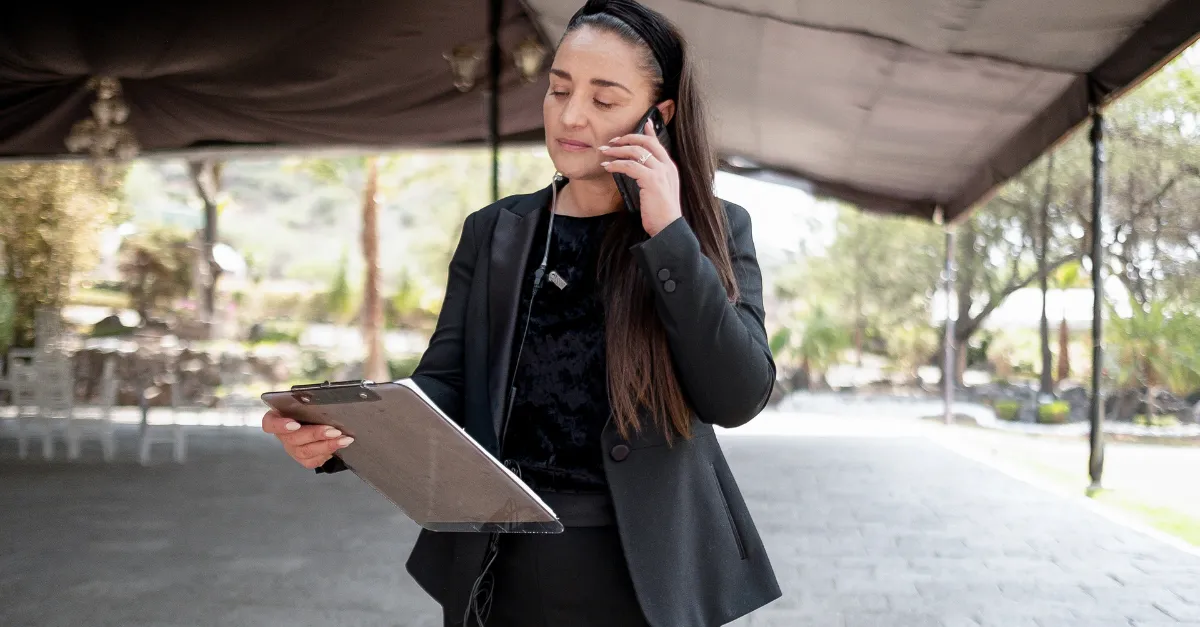
How to Read the Room Instantly as an Event Coordinator
One of the most important skills an event coordinator can develop has nothing to do with logistics.
It's the ability to walk into a room and instantly understand what's happening beneath the surface.
Before a client says they're frustrated.
Before attendees become disengaged.
Before your team starts feeling overwhelmed.
The best event coordinators aren't just managing timelines and details. They're constantly reading people.
This is emotional intelligence in real time.
And when you're responsible for hundreds of moving parts, being able to read the room quickly can help you prevent problems before they become crises.
What Does "Reading the Room" Actually Mean?
Reading the room means observing the emotional climate around you.
And if you do it wrong you'll constantly be overwhelmed.
It's the ability to recognize:
Energy shifts - without taking it on
Changes in mood - without letting your own fear come in
Levels of engagement and attention - without getting irritated
Non-verbal communication and Signs of stress or frustration
Most people focus only on what others are saying.
Highly effective event coordinators pay attention to what people are communicating without words. It's observing.
Because often, the most important information never gets spoken.
Why Event Coordinators Need This Skill
Events are high-pressure environments.
Clients are stressed.
Vendors are juggling responsibilities.
Speakers are focused on their presentations.
Attendees arrive with their own expectations and emotions.
When pressure increases, people don't always communicate clearly.
A speaker may become short and abrupt.
A client may suddenly become quiet.
A team member may stop asking questions.
These subtle changes often signal something important.
The sooner you recognize them, the sooner you can respond proactively instead of reactively. We want to make things better not worse.
Pay Attention to Energy, Not Just Words
One of the fastest ways to read a room is to notice the energy.
Ask yourself:
Does the room feel relaxed or tense? If so what's needed and who can do it? (Not just you.)
Are conversations flowing naturally? If not, what's the blockage?
Is your team moving confidently or appearing rushed? Do they need a 5 minute breathing break?
Are attendees engaged or distracted? What's the cause of the distraction?
You don't need to analyze every detail.
You're simply gathering information.
The goal isn't judgment, it's awareness.
The more aware you become, the more effective your decisions become. Because it's considering all the pieces that will be positively affected. It's a ripple effect of positivity when you do take action.
Learn to Observe Before You Act
Many event coordinators are natural problem-solvers.
When something feels off, the instinct is to jump in immediately.
But sometimes the most effective response is to pause and observe.
Take a moment to gather information before taking action.
Notice:
Facial expressions
Tone of voice
Body language
Group dynamics
Changes in behavior
This brief pause allows your brain to move from reaction into thoughtful leadership.
Delegate as much as possible. You're the observer not the doer.
Stay Regulated So You Can Stay Aware
Here's what most people miss:
You cannot accurately read the room if your own nervous system is overwhelmed.
When you're stressed, your brain becomes focused on survival.
You become more likely to:
Misread situations
Assume the worst
React emotionally from fear and anxiety
And you'll miss important cues
The calmer you are internally, the more awareness you have externally.
This is why nervous system regulation is such an important leadership skill for event coordinators.
Your ability to stay grounded directly impacts your ability to read people, communicate effectively, and make good decisions under pressure.
A Simple Room-Reading Reset
Before walking into a meeting, event space, or client conversation:
Take 3 slow breaths.
Relax and drop your shoulders.
Observe before speaking.
Notice the energy in the room.
Tell yourself: "Observe before action."
This simple practice creates awareness before action.
And awareness is often the difference between managing a situation and trying to catch an escalating one.
The best event coordinators don't just manage events.
They understand the energy and the people involved.
And when you understand these aspects, you can lead with greater confidence, clarity, and composure.
Continue Learning
If you're feeling overwhelmed by the pressure of managing events, read my cornerstone article:
The Ultimate Guide to Nervous System Mastery for Event Coordinators
You'll learn practical strategies to regulate your nervous system, improve decision-making, and navigate high-pressure events with greater confidence.
Bringing This Work to Your Events
Nervous system mastery is the work I bring into events through keynote and breakout sessions designed specifically for high-pressure professionals. Visit My Website for more info!
And don't forget to subscribe!